
Welcome to Poplar Hills: A Place Where History and Community Thrive
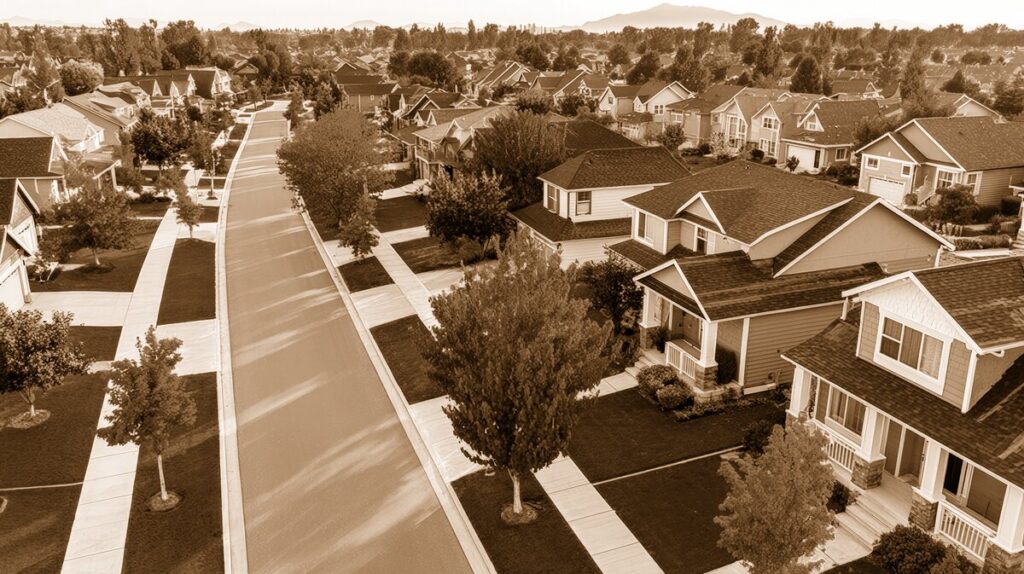
Nestled just east of the bustling downtown Princeton, Indiana, the Poplar Hills neighborhood encompasses much more than rows of houses and leafy streets. It is a living tapestry of heritage, community, and deep-rooted pride. As a longtime resident, I can tell you—Poplar Hills is the kind of place where neighbors chat over backyard fences, kids ride bikes down quiet cul-de-sacs, and echoes of the past mix warmly with the vibrancy of today.
Origins: How Poplar Hills Came to Be
The story of Poplar Hills begins in the post-World War II years, when Princeton—like many towns across Indiana—began to flourish with returning soldiers and growing families seeking a peaceful life. Formerly farmland on the gentle, rolling outskirts of town, the area was dotted with its namesake poplar trees, which provided not just shade, but inspiration.
Local lore has it that the earliest developers, surveying the hilltop stretches along what would become North Poplar Drive and Sycamore Street, were captivated by the swaying stands of poplars and the panoramic view over the Wabash Valley. "Poplar Hills" felt like the only fitting name for the neighborhood-to-be. By the early 1950s, homes started to spring up along what is now known as Willow Lane and Crestwood Drive, turning grassy pastures into a welcoming community.
Key Historical Milestones of Poplar Hills
- 1953: The first home on North Poplar Drive is completed, quickly followed by new streets branching south and east.
- 1961: Poplar Hills Recreation Park, an early community-led project, is dedicated. Locals rally to install swings, a baseball diamond, and quiet picnic corners where generations have since gathered.
- 1972: The Poplar Hills Neighborhood Association is formed, creating a formal body for advocacy and organizing annual holiday events, which have become cherished community traditions.
- 1990s: The area experiences a revitalization, with newer homes and small community businesses sprouting along Sycamore Street, responding to Princeton’s growth as a regional hub.
Notable Landmarks and Buildings
While Poplar Hills is largely a residential enclave, it boasts several landmarks and beloved institutions that have shaped its identity:
- Poplar Hills Recreation Park: The green heart of the neighborhood, this park has been the backdrop to countless Little League games, summer barbecues, and peaceful weekend strolls. Towering hardwoods and legacy poplars create an inviting canopy.
- Poplar Chapel on Willow Lane: Built in 1967, this small, non-denominational chapel became a beacon for community gatherings, potlucks, and wedding ceremonies—its stone façade and cheery bell are instantly recognizable.
- Historic Brentwood House: Located on the corner of Brentwood and Maple, this charming 1950s brick home is one of the original residences and occasionally opens for local heritage tours, sharing photos and artifacts from the neighborhood’s earliest days.
Streets with Stories: The Lifeblood of Poplar Hills
Every street in Poplar Hills has its own tale. North Poplar Drive, the neighborhood’s main artery, winds past homes lined with perennial gardens and picket fences—many still tended by the original owners’ families. Crestwood Drive, known for its canopy of mature trees, hosts the yearly spring yard sale, a tradition stretching back more than four decades. Small courts like Elm Court and Dogwood Circle are quiet pockets where summer evenings bring out kids with chalk and neighbors sharing homemade lemonade.
Maple Avenue is home to the neighborhood’s oldest trees, several of which are marked with small plaques honoring founding residents or notable community volunteers. As autumn comes, you’ll find visitors from across Princeton wandering these streets to admire the radiant fall colors.
Evolution Through the Decades
Poplar Hills, while proud of its history, has always embraced change as part of its identity. In the 1970s, second-generation families began to return, breathing new life into childhood homes and updating facades. The 1990s and early 2000s saw an influx of newcomers—drawn not only by Princeton’s growing job market but by Poplar Hills’ reputation for safety, warmth, and unbeatable community spirit.
Institutions like the nearby Princeton Community Intermediate School have become cornerstones, bringing together students and families from across Gibson County. Local businesses, such as Maple Café, line the southern edge of the neighborhood, where regulars gather for coffee and conversation. The Poplar Hills Neighborhood Association continues to keep the spirit alive, sponsoring everything from holiday light competitions to spring clean-up days.
What Makes Poplar Hills Special?
With every passing year, Poplar Hills grows richer in character. Its tree-lined avenues and classic Midwest architecture recall a simpler time, while its residents—young and old—ensure that the neighborhood remains vibrant and forward-looking. There’s a sense here that everyone matters, whether you’ve lived on Sycamore Street for fifty years or moved into a newly built home last fall.
The enduring beauty of the original poplar trees, the community’s commitment to gathering and celebration, and the pride residents take in their shared history—these are just some of the things that make Poplar Hills not just a neighborhood, but a cherished home.
Conclusion: The Heart of Princeton Endures
From its origins as farmland where poplars crowned the rolling hills, to a thriving modern neighborhood filled with stories, laughter, and interwoven lives, Poplar Hills is a testament to what makes Princeton, Indiana, so special. Ask anyone from around here—Poplar Hills is more than an address. It’s a living legacy, welcoming all who seek neighbors, friendship, and a true sense of place.